Hi Renata - My colleagues need a portable hoist for a declining client with complex disabilities and dementia, and a suitable wheelchair for travelling on a bus, to avoid transfer load on staff. Some staff members have already sustained lower back injuries from declining client mobility and lack suitable equipment to manage these issues. What are our employer’s responsibilities?
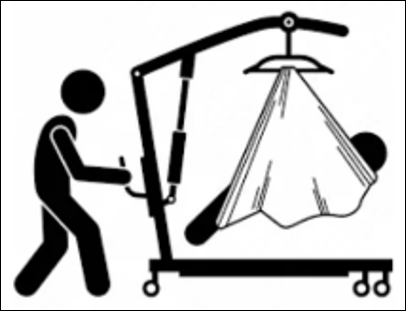
Thank you for your Ask Renata query referencing the increasing need for manual handling aids to assist staff in mobilising and transferring clients with complex disabilities and dementia. Such work clearly involves risks to staff – your employer has a duty under either the Victorian OHS Act or the Commonwealth WHS Model Laws (depending on who your employer is) to eliminate or reduce the harm from those risks. Under both jurisdictions your employer has specific duties to eliminate or minimise manual handling risks as far as reasonably practicable, to provide appropriate and well-maintained transfer devices (like hoists and suitable wheelchairs), and to provide enough workers to assist with people handling.
This issue requires urgent action. As you noted that injuries have already occurred the first step is to ensure that those incidents have been reported in your workplace incident/hazard reporting system.
Document everything: the injuries already sustained, the current inadequate equipment, the client's declining mobility needs, and any risk assessments of the tasks (or absence of)
Formally consult with employer about: the immediate provision of portable hoist (or other suitable device), the provision of an appropriate wheelchair for bus transport, additional staffing for two-person assists, and updated risk assessment for this client
Required Equipment Specifications:
- Portable hoist: must be suitable for client's weight/needs and space constraints
- Wheelchair: must be rated for transport, with proper restraint points for bus travel
- Consider bariatric-rated equipment if needed
Your employer MUST act on these safety concerns - these risks aren't a "part of the job" that workers should accept. Your employer also has a duty to consult with employees and HSRs in the OHS Issue Resolution process.
As an HSR you have powers to act if your employer fails or refuses to remedy this issue. You can:
- Issue a Provisional Improvement Notice (PIN) if your employer doesn’t address these hazards after consultation
- Direct work to cease if there is an immediate threat to health and safety
- Request WorkSafe/WHS Regulator inspection if your employer doesn't respond adequately
You can find more information about hazardous manual handling in WorkSafe’s publication Compliance Code: Hazardous Manual Handling. This publication offers guidance to employers on how to comply with their legal duties to ensure safe manual handling practices for staff.
If you have any questions about OHS we encourage to fill out an Ask Renata query and one of our officials will get back to you shortly. Alternatively give Ask Renatabot a try!