Hi Renata – Is there an outside temperature that it is considered unsafe to work in?
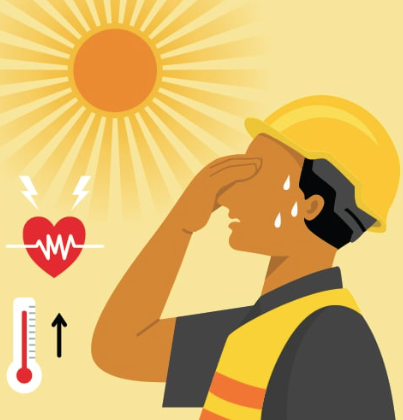
Extreme weather is rapidly become a serious workplace issue with the advance of climate change. As well as the hazard presented by heat itself, working in a hot environment can increase the risk of other hazards.
Unfortunately, in Victoria there are NO specific statutory or regulatory limits on the temperature to which workers can be exposed. But that doesn't mean that you can't do anything regarding excessive heat in the workplace. Your employer has a duty of care under the Victorian OHS Act (2004) to provide a healthy and safe workplace.
Some workplaces do have a clause in their enterprise agreement relating to temperature, so check your agreement. If you do not have such a clause, consider raising it as an issue with your union organiser for inclusion in the log of claims at your next enterprise agreement negotiations. You can also negotiate a heat policy appropriate to your workplace through your health and safety committee if you have one.
You can find information about this topic on our OHS Reps Heat: When is it too hot? page, including an action plan for HSRs to address the issue with their employer. WorkSafe also publishes the Compliance code: Workplace facilities and the working environment to guide your employer on their duties and obligations in relation to the workplace environment. On the WorkSafe Prevention and protection from heat illness page you can find suggested controls that your employer can implement when working outdoors in hot weather, and you can also access our hierarchy of controls for heat.
You can use your powers as an HSR to request that your employer consult with HSRs and employees on this matter (use our Consultation Email template). Speak with your DWG yourself about heat and its effects on health to identify if there are heat problems associated with their work, and whether seasonal heat is a problem – you could also conduct an audit to identify areas of concern and ensure that all incidents are reported, and that controls are being implemented correctly.
You may be interested to read the ACTU’s position paper Work Health and Safety in the Era of Climate Crisis, highlighting the growing impacts of climate change on Australian workers and the inadequacy of the current work health and safety framework to protect workers from those impacts and making 16 recommendations for regulatory reforms to strengthen the WHS rights-based framework by directly addressing worsening climate hazards.
Further information and guidance can be found in the ACT’s Code of Practice: Managing the Risks Associated with Extreme Temperatures. Whilst this is not a Victorian document, the ACT guidance covers the matters to consider when assessing the risk presented by temperature and provides good examples of controls for employers to discuss with employees when developing their own thermal management policies and procedures.
If you have any questions about OHS we encourage to fill out an Ask Renata query and one of our officials will get back to you shortly. Alternatively give Ask Renatabot a try!