The Victorian Government’s Better Health Channel is urging those with asthma or hay fever to be prepared this pollen season.
Thunderstorm asthma can occur when there is a lot of grass pollen in the air and a specific kind of thunderstorm. Of course, this applies not just to your family life, but also in your workplace.
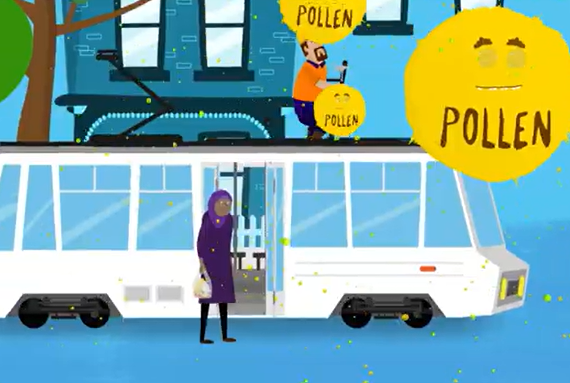
These events occur because grass pollen grains get swept up in the wind and carried for long distances. Some can burst open and release tiny particles that are concentrated in the wind gusts that come just before a thunderstorm. These particles are small enough for people to breathe deep into their lungs and can rapidly trigger asthma symptoms, even in those who have never had asthma before.
When many people develop asthma symptoms over a short period of time during these conditions, it is known as epidemic thunderstorm asthma.
In November 2024 a combination of a thunderstorm and grass pollen in the Albury Wodonga region triggered a thunderstorm asthma event. Over 100 people presented to Albury and Wodonga hospital emergency departments over 24 hours, far above the usual for the area.
Thunderstorm asthma events don't have to be as big as the one in 2016, they can happen on a smaller more local level. So, if you are at risk, be prepared. People at risk of thunderstorm asthma include those with:
Speak with your employer before the season hits about implementing measures to prevent unnecessary outdoor work during risk times, to prepare for asthma attacks in the workplace, and to prepare for the impact that a mass asthma event may have on staff including increased workload for those in the health care industry.
You can protect yourself and those in your care by following these simple steps:
- Monitor the epidemic thunderstorm asthma risk forecast and adjust your day to make sure you avoid being outdoors when the storm arrives:
- Vic Emergency thunderstorm asthma forecast webpage
- download the VicEmergency app (App Store or Google Play) – you can set up a 'watch zone' for your location to receive advice and warnings about potential epidemic thunderstorm asthma events during the grass pollen season.
- Don’t be outdoors in a thunderstorm, especially during the winds that precede it. Go inside and close your doors and windows. Turn off any air conditioner systems that bring air from outside into the home or car (including evaporative air conditioners) to avoid breathing in the small pollen particles.
- Take your preventative medication as directed, even when you’re symptom-free.
- Know how to manage an asthma attack. Follow your asthma action plan or use asthma first aid.
You can learn more about thunderstorm asthma at the Better Health Channel Thunderstorm asthma | Better Health Channel page. Your will find many resources to help you understand the condition and what you can do to minimise the impact:
- Thunderstorm asthma event: Albury Wodonga 2024
- Thunderstorm asthma - Asthma | YouTube
- Asthma First Aid | Youtube
Read more: Victorian Department of Health - Epidemic thunderstorm asthma