Following investigations into the death of a woman in a farming incident in November last year, WorkSafe has issues a safety alert about the importance of ensuring farm machinery is correctly maintained and the importance of training when acquiring new or second-hand powered mobile plant.
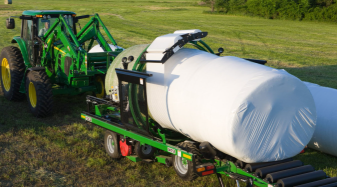
The woman had been working alone and was found critically injured beneath farm machinery on a farm at Jack River, Gippsland last Wednesday morning. The 47-year-old was operating silage wrapping equipment. She was flown to hospital but later died from her injuries.
Workplace statistics show that whilst agriculture make up only 2% of the Victorian workforce, is accounts for 14% of workplace fatalities, with about 75% of those deaths involving farm machinery.
Along with the regular contributors to unsafe machinery of lack of maintenance, bypassing safety mechanisms and lack of training, In-line silage wrappers have many hazards and risks, including –
- rotating and moving components that can strike and entangle employees
- hydraulic presses that can cause crush injuries
- application of plastic film which can crush and cause suffocation
WorkSafe recommends utilising the hierarchy of control to develop controls for the hazards presented by farming machinery.
Read more: Employee killed whilst operating a silage wrapper | WorkSafe Victoria