The Rail, Tram and Bus Union (RTBU) has released a new report showing that three quarters of women working in Australian transport are suffering health problems because they can’t access clean, safe or private toilets while on the job. The report prompts demand for a complete overhaul of standards, to guarantee women’s dignity and health in the workplace.
The It’s a Bloody Mess report surveyed 821 women transport workers across the country, revealing systemic failures in basic workplace hygiene and dignity. It reveals that many women are exposed to filthy, unsafe toilets that lack basic facilities like sanitary bins, and are routinely forced to justify taking toilet breaks. Many workers report unacceptable responses from management when raising these issues, with managers implying that it is simply a norm of the transport industry that has to be accepted.
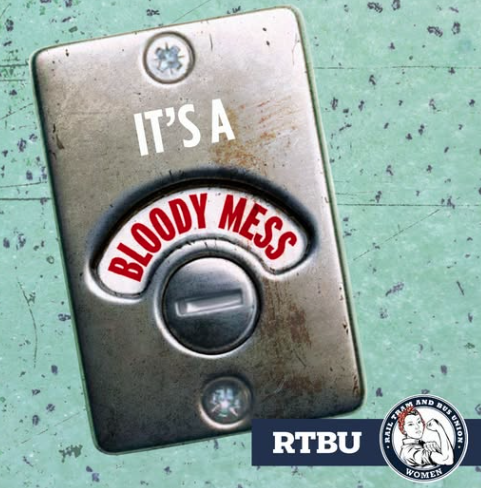
Key findings from the report show:
- almost three in four (73%) women transport workers have suffered health issues due to inadequate facilities
- health issues include dehydration arising from limiting fluid intake (46%), stress or anxiety about access (46%), urinary tract infections (28%), digestive issues (15%), skin irritation (13%), menstrual health complications (13%), kidney problems (4%) and other infections (7%)
- four in five (82%) respondents said they’ve resorted to dangerous or undignified coping strategies such as deliberately dehydrating, delaying bathroom breaks or using inappropriate locations
- almost half (44%) don’t have access to sanitary bins when needed, and some are forced to empty the bins themselves
- four in five (82%) women said the lack of adequate facilities compromises their dignity and respect as workers
RTBU National Vice President (Women) Leanne Holmes said the report exposes appalling standards across the country and the union demands urgent action from employers and governments. “No one should be forced to risk their health or dignity just to do their job,” Ms Holmes said. “Women across the transport industry are being denied the most basic workplace rights: safe, clean toilets and the ability to use them when they need to. Not only is it unacceptable, it is dangerous.”
The report includes disturbing firsthand accounts from women, with some reporting being forced to justify toilet breaks over public radio, and bleeding through clothes while on their period or wetting themselves at work because they couldn’t access a toilet. Others reported carrying used period products in their pockets or bags during shifts and even taking contraception to skip periods due to lack of sanitary facilities.
“We’ve had members hospitalised with kidney infections and recurring UTIs simply because they can’t access a clean toilet,” Ms Holmes said. “This is more than just a workplace issue, it’s a national health and safety crisis. It’s a bloody mess and it’s about time it’s cleaned up.”
The RTBU is calling for a mandatory national standard for transport workers which includes:
- guaranteed access to dedicated women’s toilet facilities
- proper sanitary disposal units serviced regularly by contractors
- regular cleaning and maintenance of all facilities to ensure they are clean, safe and adequately equipped
- freedom for workers to take toilet breaks when needed, without interference or humiliation
Read the full report here: RTBU_Its_a_Bloody_Mess_Report_Nov_2025