The United Firefighters Union (UFU) is pushing for more cancers to be added to the Victorian presumptive rights list – including pancreatic cancer.
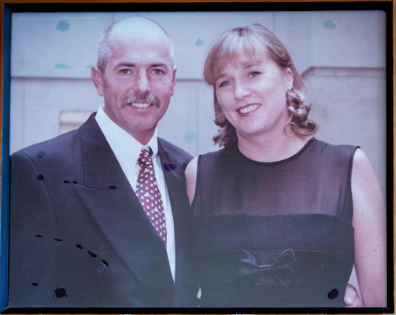
In an ABC interview Heather Hughes, the widow of firefighter Mick Hughes, speaks about her battle to have Mick’s disease recognised as an occupational illness, and the shocking rejection of her dependency claim following his death last year.
Some hazards just can’t be eliminated – it’s an unfortunate and frustrating fact that puts some workers at increased risk of certain illnesses that are automatically assumed to be caused by their work. For example, the chemicals that firefighters are exposed to when attending toxic fires.
To address this increased risk Australian jurisdictions have enacted presumptive legislation for firefighters to reduce the burden of proving their illness was caused by their employment. In Victoria, firefighters have a list of 15 different cancers deemed occupational. The list of presumptive illnesses was last expanded in 2023 with the addition of primary site cervical, ovarian and uterine cancers. It is intended to facilitate a quicker and easier access to worker’s compensation claim process. But not all jurisdictions are the same.
Pancreatic cancer is currently not included in the Victorian presumptive illness legislation as it is in some other states.
The UFU has been sounding the alarm stating the presumptive legislation in Victoria is outdated and needs to be updated to reflect current medical knowledge
Mick Hughes dedicated nearly 35 years to the fire brigade. During his time in the brigade he attended many toxic fires, like the Coode Island chemical blaze of 1991. When he developed pancreatic cancer, he lodged a WorkCover claim – it was initially rejected. On appeal it was agreed that Mick’s cancer was caused by his work, and his medical expenses and replacement wages were covered.
When Mick died last year Heather was told that she could apply for dependency compensation, but when she did apply her application was rejected because the cancer was “not work-related”. WorkCover said there are different tests for an individual’s claims and a dependency claim. Ms Hughes has appealed the decision.
The experiences of the Hughes family have highlighted deficiencies and inconsistencies in a system that is intended to recognise the increased risk that firefighters have of developing deadly cancers.
In 2023 the Victorian government advised that it was assessing whether pancreatic cancer and other cancers would be added to the presumptive illnesses scheme for firefighters. They now say that they will continue to monitor whether the legislation designed to compensate emergency service workers reflects the increased risks they face on the job.
United Firefighters Union secretary Peter Marshall said Ms Hughes had suffered from "breathtaking hypocrisy".
"The claim is supposed to be there for the dependencies, for the family members,'' Mr Marshall said.
"Firefighters are not an expendable commodity, where they can just send them into burning buildings and not provide the protection to their family in the event that they get ill. It's just wrong."