Crestville Holdings Pty Ltd, owner of Sydney Indoor Climbing Gym where a climber fell to his death in October 2021, has pleaded guilty to breaches of the NSW WHS Act by failing to ensure the health and safety of persons other than workers was not put at risk by their business. Two of the company’s three directors were also charged, and pleaded guilty, for failing to exercise their due diligence to ensure that their company complied with its WHS duties.
Andreas Araya, an experienced recreational climber, fell approximately 12 metres when a lanyard on the auto-belay system he was using snapped.
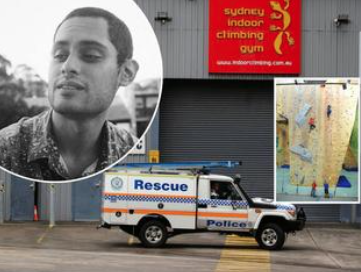
Two of the company directors, Michael Garben and Simon Stevens, were both in charge of day-to-day business at the gym and have been found to have failed to provide training to employees on the proper inspection, monitoring and documentation required for the climbing equipment. Company directors have a duty under WHS legislation to ensure that appropriate processes and resources are in place to ensure that health and safety risks can be minimised.
SafeWork NSW’s inspections of the gym’s climbing equipment revealed significant wear and tear in the components of the auto-belay system, the webbing and the lanyard, as well as deficiencies in the system of work, including –
- No systems in place to ensure regular daily and weekly inspections or more comprehensive inspections every six months of the auto-belays. No system or procedure in place to ensure that adequate records were maintained of inspections.
- No system or procedure in place for ensuring and tracking the factory servicing of the auto-belays in accordance with their service due dates. No routine system of cleaning the auto-belays in accordance with the Operations Manual.
- Insufficient processes in place to ensure maintenance issues observed by workers or other persons were adequately reported and resolved. A maintenance log was kept at the gym, but steps taken to resolve or address issues were not always clearly identified and there was no procedure of verifying that workers responsible for maintenance routinely checked the log to address any outstanding tasks.
- No training, instruction or information was provided to workers around inspecting and maintaining the auto-belays. Workers were not trained to the requirements of the auto-belay devices’ respective operations manuals including identification of excessive wear of the lanyards.
- Climbers were not provided guidance (of the type contained in the auto-belay lanyard labels that had been cut off) that they should discontinue climbing immediately if slack developed in the lanyard when using auto-belays.
The Court heard ‘incredibly eloquent, and heartbreaking’ victim impact statements from both Mr Araya’s partner and mother and noted their strength and character in writing and delivering such moving statements to a group of strangers in the Court.
The hearing determined that Crestville Holdings failed to implement adequate measures to ensure the auto-belay system was regularly monitored and serviced, with the system more than three months overdue for a service at the time of Mr Araya’s death. It was also noted that the risk was extremely obvious and there were readily available measures to reduce the risk that were not taken.
The Court imposed a fine of $281,250 on Crestville Holdings, with both directors also fined $84,375 each.