SafetyNet has reported previously on the deadly impact of working with engineered stone many times and many of our readers are well aware of the associated risks of the lung disease silicosis and other silica-related diseases. It is estimated that 25% of workers in the stone benchtop industry are, or will be, affected by silicosis.
A national ban on the manufacture, supply, processing or installation of engineered stone benchtops, panels or slabs came into effect on 1 July 2024, signifying how serious this workplace risk is to workers.
New research now points to a link between working with engineered stone or other high-silica products and an increased incidence of asthma.
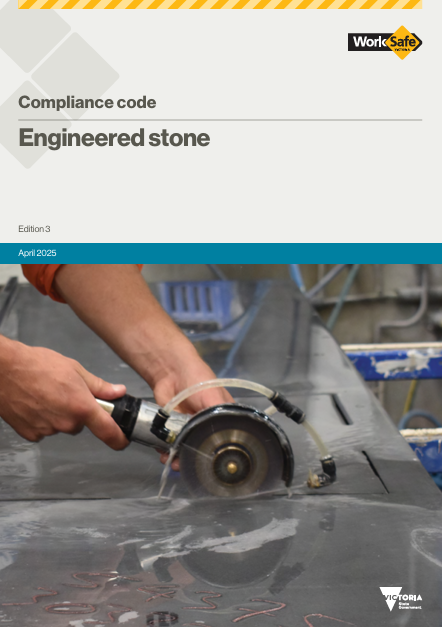
The Monash University’s Centre for Occupational and Environmental Health study included 450 voluntary participants from a stone benchtop industry screening programme conducted in Victoria. Participants were surveyed and examined via chest X-rays, respiratory function tests and a respiratory symptom questionnaire. This was the first study to report the prevalence of respiratory symptoms and asthma in a large sample of workers from the stone benchtop industry.
Study participants’ asthma status was determined based on self-report, and respiratory function tests were used to measure airflow obstruction. The associations between each individual’s workplace dust exposure and respiratory symptoms were compared using logistic regression, adjusting for age, smoking status and silicosis.
The results showed self-reported asthma in 20% of participants. Workers with histories of high workplace dust exposure, even those without silicosis, were more likely to have self-reported asthma and to report respiratory symptoms. Those with obstruction but no bronchodilator response on respiratory function tests were more likely to report histories of high workplace dust exposure.
For more than 63% of the workers with wheeze or difficulty breathing, symptoms improved on holidays and over 57% also reported improvement on weekends.
The Monash research indicates a need for clinicians to consider respiratory diseases other than silicosis among workers exposed to artificial stone dust, including asthma and chronic obstructive pulmonary disease.
Workers need to remain alert to the hazards presented by silica in the workplace and report all concerns to their employer as well as their medical care provider.
Information about the management of silica products in the workplace can be found at the WorkSafe Crystalline silica page, including links to industry specific information for construction, mining and quarries, and stonemasons. Employer legal duties obligations are explained in plain language to ensure that all workplaces correctly manage this incredibly hazardous substance.