Hi Renata – Recently our disability services organization reviewed its budget and has concluded our expenditure is too high. House supervisors are being encouraged to cut shifts back and have the accommodation unit work short-staffed to save money. Our accommodation unit rosters are planned according to client and manual handling needs and implementing some of these requests from corporate management would put both residents and staff at risk. What can we do?
HSRs can raise this type of OHS matter by reporting it as an identified hazard through your organisation’s hazard reporting system. Your employer has a duty to provide a workplace and systems of work that are safe and without risks to health – that includes rostering adequate staff to perform work safely – and to resolve identified hazards via the OHS Issue Resolution process.
Speak with members of your DWG and other HSRs to consolidate your concerns. Work together to conduct a risk assessment on the new roster arrangements (pick a couple of residences and shifts to focus on as examples). This publication from WorkSafe is old but good - Controlling OHS hazards and risks: A handbook for workplaces – it covers the risk management cycle in detail.
Identify all of the hazards that may arise if working at reduced staffing levels; include physical and psychosocial hazards for both staff and residents and what the severity of the consequences could be; talk with your DWG and other HSRs about potential controls and what outcome they would like to see.
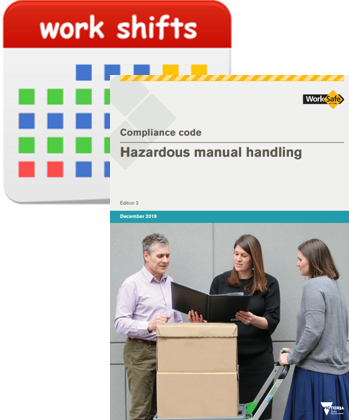
You can find more information about relevant hazards on our OHS Reps pages Manual Handling and Psychosocial Hazards. The WorkSafe publication Compliance Code: Hazardous Manual Handling includes detailed information about what constitutes hazardous manual handling as well as a useful worksheet to use in the risk assessment process of any manual handling activity.
Take the risk assessments and any resources you have used to your consultation with management about this matter - point out every potential hazard that would be created by their staffing plans and question the adequacy of controls to keep both staff and residents safe.
Remind your employer of their legal requirement to comply with both the requirements of client care/support plans and the requirements of safe manual handling practices. If the roster does not allow for safe manual handling practices to be followed, then the work is not safe to perform, and you could issue a direction to cease work or a PIN on those tasks or activities that are presenting unresolved hazards.
Where the issue concerns work that is an immediate threat to the health or safety of anyone and the normal processes cannot be followed, then the employer and the HSR for the DWG can by agreement, or if agreement in not reached, either can direct that the work shall cease (s.73 of the OHS Act). During a cease work period an employer can assign the affected employees to other suitable work.
If an HSR believes that the employer is contravening OHS law, the threat is not immediate, and consultation has not resolved the issue then the HSR can issue a Provisional Improvement Notice or PIN (s.60-66 of the OHS Act).
If your employer insists that the work be completed without adequate resources or otherwise refuses to consult with you about this matter, I suggest calling your union directly for support and guidance or contacting WorkSafe to seek an inspector’s input.