As generative artificial intelligence (AI) is transforming workplaces across the globe and reshaping tasks in many occupations, it must be noted that its effects are not gender neutral. A new report featured on the International Labour Organization (ILO) Future of Work vodcast confirms that women are more exposed than men to the risks linked to this technology.
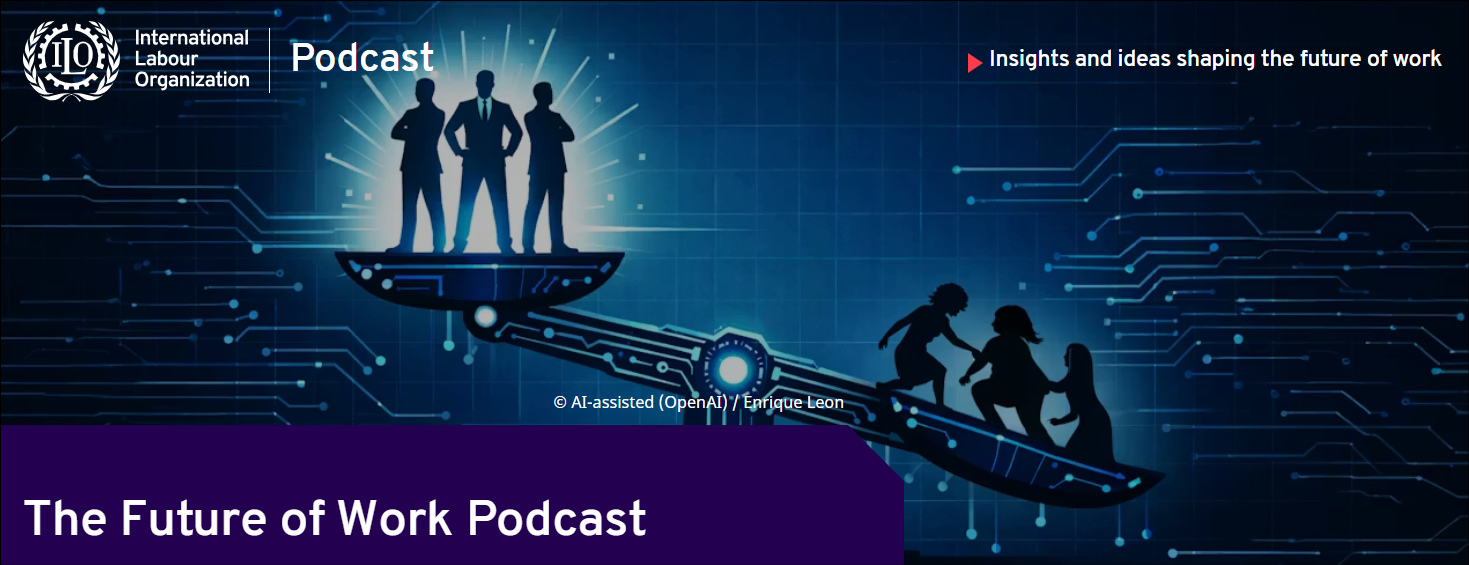
Anam Butt, technical specialist on gender equality and non-discrimination at the ILO and co-author of the report, explores on the vodcast why women are overrepresented in jobs where tasks can be automated, why they remain underrepresented in AI and STEM occupations, and how AI systems can reproduce existing biases and stereotypes.
She also discusses how policymakers can ensure that digital transformation advances, rather than undermines, gender equality at work when AI is implemented in a labour market where there are pre-existing inequalities.
In the report, data from 84 countries was analysed and a newly developed ILO index applied that measures the extent to which different occupations and specific tasks within those occupations are likely to be exposed to Gen AI. The results were striking.
The study found that female-dominated occupations are almost twice as likely to be exposed to generative AI than male-dominated ones. And female-dominated occupations also face the highest automation risks.
The study found that in more than 88% of the data sample countries women are more exposed to AI influenced gender inequity than men, largely due to the existing gender inequities that see women concentrated in lower-level roles where they perform more routine and administrative tasks.
When asked for examples of jobs that are more at risk of automation Anam Butt said, “The kinds of jobs that we're talking about are across many economies: clerical, administrative, business support roles. These are roles I should emphasize that, you know, keep organizations running. They're incredibly important. These are roles like payroll clerks, receptionists, secretaries, data entry operators and also translators. But they also involve a higher degree of what we call codifiable or routine tasks. Tasks that AI is more suited to replicating or automating.”
Men tend to occupy roles that are more senior, more technical, decision-making roles which involve a higher degree of abstract or analytical tasks which are more likely to be complemented by rather than substituted by AI. These patterns of occupational segregation persist not by accident but because of key structural drivers:
- social norms and gender stereotypes that influence not only educational and career choices but also influence workplace policies and practices
- unequal care responsibility, with women globally performing three quarters of unpaid care work
- economic policies, specifically macroeconomic and sectoral policies that shape the structures of our economy in ways that can be gendered
Because AI learns from historical data, where that data reflects inequalities the AI systems will replicate and internalise those biases.
The study emphasises the importance of embedding gender equality in the design, development and governance of AI systems, and training AI tools on unbiased, representative and high quality data sets.
Watch and listen to the ILO vodcast: How is generative AI reshaping gender inequalities at work? | ILO Future of Work vodcast