Safe Work Australia has launched a new suite of resources focused on managing the risks of gender-based violence in the construction industry.
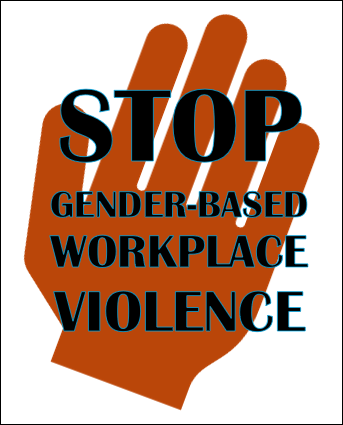
Using a case study to illustrate the how employers should respond to reports of gender-based violence, SWA investigates the various forms of gender-based violence, who is most at risk of being affected, and how to control gender-based harmful behaviours:
- Case study: Managing the risk of psychosocial hazards in construction
- Guidance: Workplace violence in construction – Hazards and control measures
SWA defines gender-based violence as "behaviour that humiliates, intimidates or threatens a person because of their sex, gender, sexual orientation or because they don't conform to gender stereotypes". Certain workplace factors can also increase the risk of gender-based violence occurring if they are not appropriately managed, and many of those factors are present in the construction industry.
Construction industry characteristics such as a male dominated workforce, young or transient workforce, or work design factors such as high job demands, low job support or isolated work environments, are issues that require proactive monitoring and management to ensure that employees are not placed at risk of harm from gender-based violence.
In the case study, the construction company management hear reports from supervisor and HSRs about gender-based violence on site, including sexual harassment. A dedicated management team is established and information reviewed from previous incident reports, complaints, HR data and risk assessments to understand the scope of the issues. A survey is conducted about workplace culture and employees’ experiences of on-site behaviour that has made them, or others, feed uncomfortable or unsafe.
Their investigations reveal instances of gender-based violence from low-level incivility through to sexual harassment, violence and aggression:
- Hazing of apprentices, young and new workers were occurring despite policies banning the practice.
- Contractors were being denied information necessary to complete their work.
- Women were experiencing sexist comments, sexual touching and un-solicited text messages and photos from male colleagues.
- Gender-divers workers were targeted with intrusive and sexualised questions.
- Women in leaderships roles were undermined and unsupported.
- Task allocation followed outdated and sexist stereotypes, causing women and gender-diverse workers to miss out on building skills.
- Verbal threats and aggressive behaviours such as shouting, standing over people threateningly, cornering people, and in one case a woman worker was forcibly detained in a locked room as “a joke”.
Management consulted with workers and HSRs to discuss and develop effective control measures, including:
- Development of new position descriptions, responsibilities and relevant reporting lines.
- Supervisors meet weekly to improve communication across trades.
- Ratios for the number of female workers to male workers are considered when allocating shifts to ensure a female worker is not working alone with a male worker without access to support from other workers.
- Apprentices, young workers and new workers are assigned both a supervisor and another experienced worker whom they can go to for questions.
- Toilets, bathrooms and change rooms are upgraded to improve privacy and security.
- Managers do regular walkthroughs to have informal chats with workers, monitor interactions and ensure workers are not being excluded.
- Multiple reporting pathways are made available, including informal, formal, anonymous, and confidential options. Reports are handled confidentially, promptly and using a trauma-informed approach.
- All workers receive induction and refresher training on gender-based violence, workplace behaviours and active bystander actions.
- Toolbox talks regularly cover psychosocial hazards and harmful behaviours.
- Contracts include behavioural expectations with clear consequences for breaches.
- Supervisors and site leaders are trained on modelling respectful behaviour and calling out inappropriate conduct.
- Posters are displayed around the site on gendered violence and other harmful behaviours with information on what to do if it happens and how to report it.
The company in the case study committed to regular reviews to ensure control measures are working effectively.
Along with the case study, SWA have also provided posters, infographics and other resources to assist employers in ensuring the psychological safety of their workplaces.
The VTHC Victorian Labour College delivers training that will complement work-system changes to help eliminate gender-based violence from your workplace:
- Safe Respectful Workplaces training
- Positive Duty training
- Bystander Action training
Read more: Case study: Managing the risk of gender-based violence in construction | Safe Work Australia