WorkSafe has published new guidance for the safe use of above-ground hydrogen-fuelled generators, which are used as an alternative to diesel-powered generators, either as stand-alone systems or integrated with other power infrastructure. They create less emissions, noise and particulate matter, but introduce new and extremely complex risks to the workplace.
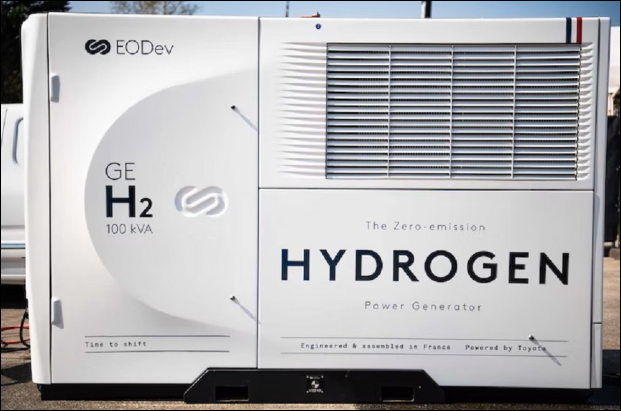
Hydrogen-fuelled generators produce electricity through either:
- an electro-chemical reaction between hydrogen and oxygen gas (electrolyser), or
- the combustion of hydrogen gas (hydrogen combustion engine).
Hydrogen for use in the generators is often delivered to site in high pressure cylinder packs or tube trailers. It is a colourless, odourless and tasteless gas, which means it is difficult to detect a hydrogen leak. Hydrogen also burns with a clear flame which makes detecting fires more difficult and presents a hazard to anyone in the area, including emergency response personnel.
Due to the complex hazard profile of hydrogen, the use of hydrogen-fuelled generators is not suitable for all work sites. A risk assessment should be conducted by a competent person before any installation decisions are made to determine:
- if the site is suitable for a hydrogen-fuelled generator system
- the best location on site for the generator system
- what risk controls need to be in place before a hydrogen-fuelled generator system is installed.
Further risk assessment should consider the logistics and emergency management risks, site location and layout, required separation distances, storage and handling risks, traffic management and impact protection, and control of ignition risks, including static electricity, lithium batteries and spark-generating tools.
Work sites using hydrogen-fuelled generators require a comprehensive emergency response plan to be developed and implemented before a system is installed on site. The plan must consider information sourced from the supplier or installer of the system, the occupier of the premises, and the relevant emergency services. Site evacuation plans, egress routes and emergency information books should be updated to include information about the location of hydrogen-fuelled generators.
It is very important that any employer proposing to use hydrogen generators understand the extensive information provided by WorkSafe on the risks presented by this hazardous equipment. You can find more information about hydrogen-fuelled generators at:
- Code of practice: The storage and handling of dangerous goods
- GIS 66: Fuel cells and fuel cell systems | Energy Safe Victoria
- CSIRO Research - HyStandards – HyLearning
Read more: Safe use of hydrogen-fuelled generators | WorkSafe Victoria