Next Wednesday 4 February is Extreme Heat Awareness Day.
Australia has always been a hot country, but climate change is leading to longer and hotter summers, that are dangerous to workers and their families.
Heatwaves are now by far Australia’s deadliest environmental disaster. By the 2060s, Australia will witness up to 45 days per year in which extreme heat makes manual labour too dangerous to perform outdoors and at least 2.7 million additional days of work are lost every year to climate disasters. By the end of the century, heat deaths will spike 444% in Sydney, 423% in Darwin, 312% in Perth, and 259% in Melbourne and reduced labour and agricultural productivity will result in a cumulative wealth loss of $4.2 trillion.
The evidence is overwhelming, and workers bear the brunt of the effects.
There are several ways we can protect ourselves and our coworkers from the dangers of extreme heat.
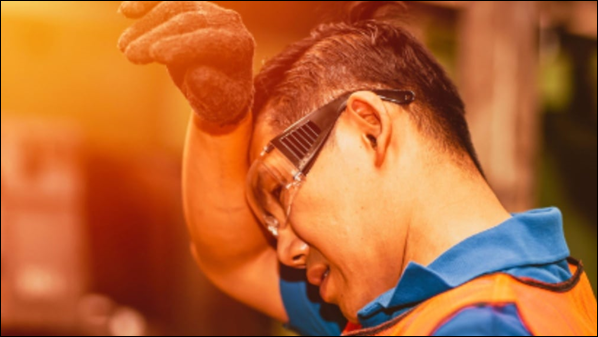
WorkSafe has published some helpful information on your employer’s obligations to protect workers from extreme heat and fire danger – see WorkSafe – Employers Must Protect Workers from Extreme Heat and Fire Danger.
Heat discomfort is typically felt at 30 degrees Celsius and all efforts should be taken by employers to keep temperatures below this level or to provide conditions for outdoor workers that help reduce the effects of seasonal hot conditions where the temperature exceeds 30 degrees.
The following rest breaks are recommended by the Australian Council of Trade Unions.
An important next step is to organise, in union, to incorporate good heat policies and clauses into your enterprise agreements.
Contact your union to find out how to incorporate a heat policy or clause.
Victorian Trades Hall Council is developing a model clause for union members to access specific and dedicated leave entitlements if they are affected by a disaster, including extreme heatwaves.
Sign up to the VTHC Just Transitions bulletin to keep up to date with our Paid Disaster Leave campaign and other campaigns to win climate justice for Victorian workers.