A Derrimut chemical manufacturer has been charged by WorkSafe following the death of an employee in a factory fire in October 2023. The 44-year-old man was working inside the factory when an explosion and fire occurred during the blending of flammable liquids, causing fatal injuries.
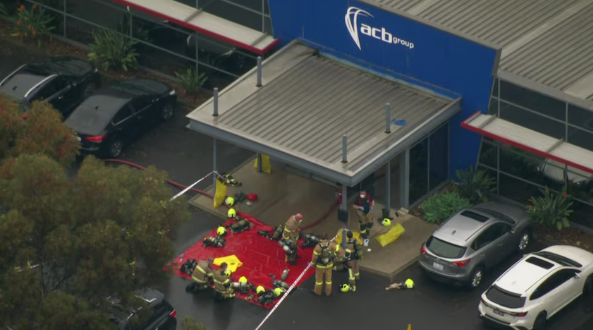
ACB Group Pty Ltd faces three charges under section 21(1) of the Occupational Health and Safety Act for failing to provide or maintain a safe working environment.
WorkSafe also alleges the company breached section 21(2)(a) of the OHS Act by failing to provide a safe system of work that required bonding and earthing controls to be in place prior to transferring flammable liquids into a blending vessel.
It is further alleged the company twice breached section 21(2)(e) by failing to train workers on the need for bonding and earthing controls, and the maintenance or replacement of equipment used for blending and transferring flammable liquids; and by failing to supervise workers to ensure they used bonding and earthing controls.
WorkSafe’s investigation into another chemical explosion and fire at the same factory in July 2024 remains ongoing.
Read more: One worker dead and dozens evacuated from Melbourne factory after chemical explosion - ABC News