Hi Renata – How do I determine if I need traffic management when maintaining the nature strip at a commercial business?
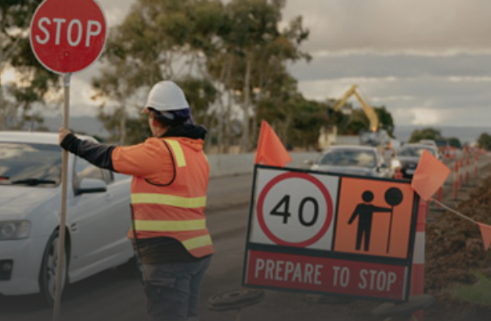
Thanks for your enquiry about traffic management. First of all, we suggest you begin with a risk assessment, considering:
- Traffic volume and speed on the adjacent road
- Type of work being performed
- Duration of the work
- Equipment being used
- Workers and pedestrian traffic
Generally, traffic management is needed when workers and/or equipment reaches onto the road, exposing workers to traffic or the general public to hazards.
Legally, under s.21 and s.23 of the OHS Act 2004, employers must ensure the safety of workers and the public and must either eliminate or control all identified hazards.
You can consult the recently updated Risk management in temporary traffic management | WorkSafe Victoria guidance from WorkSafe, where you can explore some of the control measures to consider based on your specific case.
We recommend that once you have documented your risk assessment you consult with your local council regarding the specific requirements for your area. If you think the risks are significant, you can consider engaging a professional traffic management company.