When we think of asbestos we typically think of outdated and outlawed building materials, but this week we have seen safety alerts and product recalls highlighting the discovery of asbestos in children’s coloured and kinetic sand.
A whole new consumer demographic is now learning about the risks associated with asbestos.
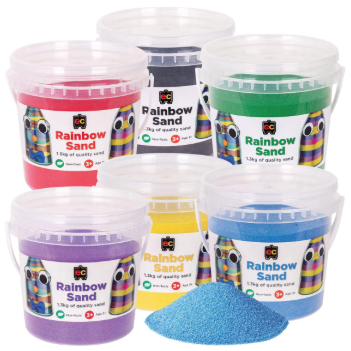
Since 31 December 2003 asbestos has been a banned substance in Victoria. The ban includes the importation, use, and manufacture of all forms of asbestos, and marked a significant milestone in the effort to protect public health from the risks associated with asbestos exposure. Products that were manufactured after this time should not contain asbestos. However, imported products from certain countries may still contain asbestos, due to differing regulatory environments.
The coloured and kinetic sands that have seen schools temporarily closed this week was imported between 2020-2023, well after the prohibition came into force.
The Australian Competition and Consumer Commission (ACCC) issued a national precautionary recall notice for coloured sand products following laboratory testing that detected traces of asbestos. Testing on shut down ACT schools where the sand products have been used are showing that respirable asbestos has not been detected in any of the tested samples. The release of respirable asbestos fibres from the coloured sand is unlikely to occur in its current state, unless the sand is processed by mechanical means such as crushing or pulverising.
The products included in the recall were manufactured in China and imported into Australia before being sold by local suppliers to retailers. In the Victorian OHS Act, as in WHS legislation in other states and territories, suppliers of substances used in workplaces have a duty to ensure that the substance is safe and without risks to health, and to give adequate information to each person supplied with the substance. Employers also have a duty under the OHS Act to provide a safe workplace and make arrangements to ensure the safety and absence of risks to health in connection with the use, handling, storage or transport of substances.
The Victorian Education Department is working with schools to identify those with the product on site and will work through their existing asbestos management procedures to ensure that children are not put at any further risk. The Department has issued advice to all schools on the process for cleanup and reporting.
Regardless of where or in what form asbestos is encountered it is important to be aware of the correct procedure for removal and disposal of the product. WorkSafe offers a checklist of duties and responsibilities when removing asbestos, as well as the Compliance Code: Removing asbestos in the workplace. For asbestos identified outside of the workplace the Victorian government Asbestos site offers advice on how to contain the hazard and where to find a licensed asbestos removalist to assist you.
With National Asbestos Awareness Week (NAAW) 2025 to be held from Monday 24 to Sunday 30 November this year, it is timely to remember that this substance comes in many forms, and that we must remain vigilant for the unexpected when identifying workplace hazards.
Read more: Aust Gov | Recall of coloured sands – November 2025